The campaign
About the client
Clean-Seas West Virginia operates a plastic-conversion facility turning difficult-to-recycle plastics into clean feedstocks: 50 tons per day of phase-one capacity with a path to 200.
A facility like this only becomes real through qualified industrial relationships: feedstock supply, offtake, logistics, and local stakeholders. Every introduction has to survive the question of whether the other party can actually supply, buy, transport, or finance.
The objective
Route introductions only where there was a real commercial reason for both sides to speak: parties who could genuinely move material or create strategic value for the plant.
What we did
Read the project, not the list
We worked from facility-stage, capacity, feedstock, offtake, geography, and stakeholder signals rather than spraying a broad industrial list.
Qualify for commercial reality
Each potential counterparty was assessed on whether a conversation had a reason to exist: supply, offtake, logistics, or strategic ecosystem value.
Route the introduction with context
Both sides knew why the conversation was happening before it started. In heavy industry, that context is the difference between a meeting and a favor.
The outcome
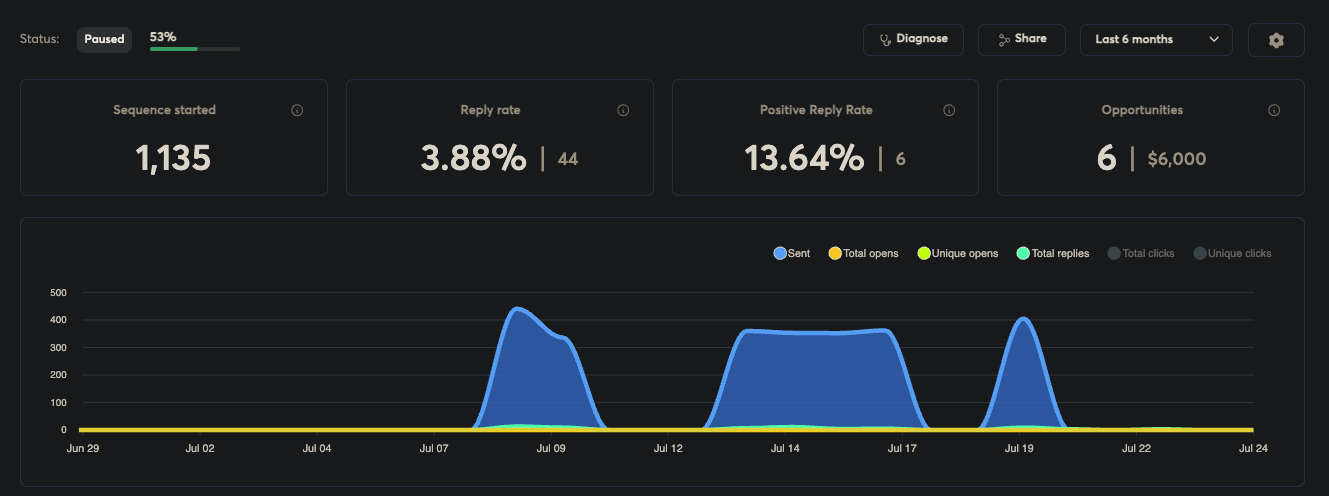
- 6 qualified industrial introductions routed in 120 days
- Introductions targeted at feedstock supply, offtake, logistics, and strategic ecosystem conversations
- Proof the model works in a slow, conservative, high-fit-bar industrial market
When the plant is real, the right market shows up.